Facts not Feeds

When aesthetic infographics go viral and facts go missing.
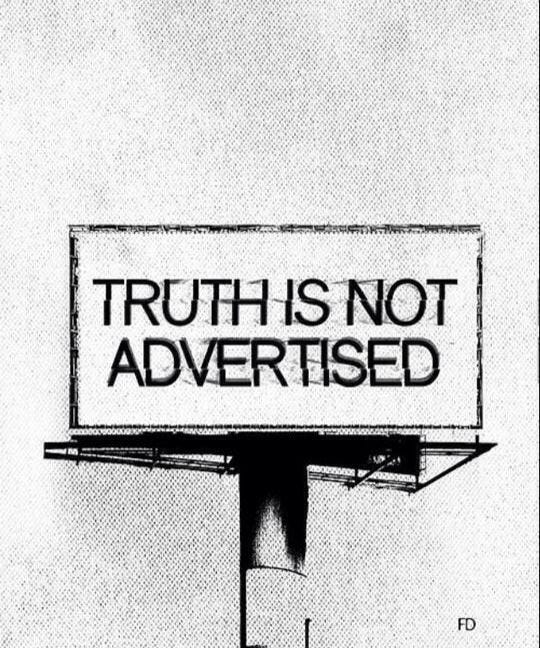
Last semester, I ran a discussion group about Ethics and Media.
Overall, it was a great success, however one thing has stuck with me. Many people who attended said they consume news primarily on social media.
I want to unpack that.
I believe that journalism’s key function is to hold those in power to account and to inform citizens, (not tell them what to think) so they can make decisions.
When I think of why I started this newspaper, those are the two reasons. Because students deserve to know what is going on at their university, and to keep the powerful in check.
And these goals are goals of any credible news organisation.
Despite how pretty the infographic might be, social media platforms are not news organisations.
In an age of mass dis/misinformation and deep fakes, it’s important to choose wisely where you get your news.
Hallmarks of any news piece (whether the medium is written, broadcast, or radio) are that the story should present all the verified facts.
Instagram and Twitter do not present all the facts. They present the facts they want you to know.
Every user of social media is in some sort of echo-chamber or filter bubble, where the platform just shovels you content that appeals to you. They profit if you interact with the content, thus they will keep feeding you that content so they can continue to generate profit.
They don’t care if you get radicalised by far-right propaganda from content on their platform.
They just want profit.
News organisations have a duty to present all the verified facts.
Social media platforms prioritise content that triggers strong reactions; promoting what is popular, not verified.
Accurate news is essential for any functioning democracy.
Citizens cannot make informed decisions without reliable information. Because of this, news organisations have a moral and social duty to ensure that what they publish is true, balanced, and verified.
Social media’s only obligation is to generate profit. While useful for sharing experiences, opinions, and conversations, it cannot replace journalism.
During the discussion group, I was genuinely concerned by how many people said they get their ‘news’ from social media. To me, this highlights a growing misunderstanding of what news actually is.
Social media pages may feel informative, but its content is fundamentally built around personalities and opinions, not factual reporting.
When people rely exclusively on these platforms, they are not being informed, they are being influenced.
This is precisely why news organisations play such an essential role. Their purpose is to provide context, evidence, and verification. The things social media simply does not prioritise.
When you choose entertainment or opinion over journalism, you lose access to the kind of factual foundation that democratic decision-making depends on.
Further Reading:
Technopoly (1992) | NeilPostMan.org
Opinion | Today’s Social Media Are No Longer Safe for Journalism | Common Dreams